
Why an Auto Glass Inspection is Essential for Your Road Trip
Preparing for an extended drive requires more than just mapping out your route and packing your bags; prioritizing vehicle safety is crucial. Conducting a comprehensive auto glass inspection before you hit the road significantly reduces the risk of unexpected hazards by identifying minor defects before they compromise your visibility or your vehicle’s structural integrity. In this guide, we will walk you through practical assessment steps, common types of windshield damage, and how to know exactly when it is time to call in the professionals. Our goal is to help you travel with absolute confidence and avoid costly, preventable delays.
How to Identify Signs of Windshield Damage Before Your Road Trip?
Check the windshield for visible chips, cracks or surface scratches. Any defect in the driver’s line of sight can obstruct vision. Inspect seals for water ingress; leaks indicate a compromised seal that can worsen with driving. Regular pre-trip inspections allow you to address issues early and maintain safe visibility.
What Are Common Types of Windshield Cracks and Chips?
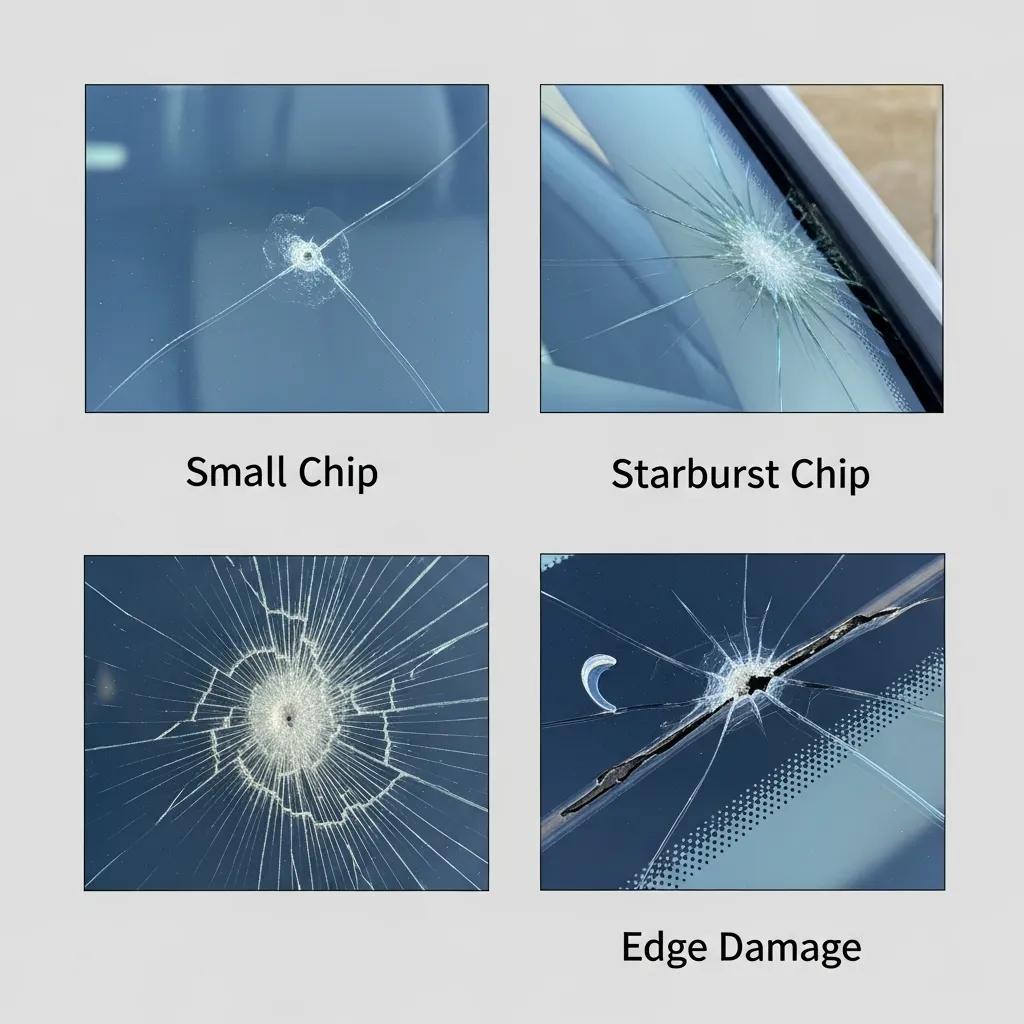
Familiarity with common damage types helps assess severity and next steps. Typical categories are small chips, starburst chips and edge damage. Each has different repair options and implications for safety.
- Small Chips: Minor damage that can often be repaired without replacing the entire windshield.
- Starburst Chips: A more severe type of chip that radiates outward, often requiring professional repair.
- Edge Damage: Cracks that occur near the edges of the windshield, which can compromise the structural integrity of the glass.
Correctly identifying the damage type supports an appropriate response, whether that is immediate repair, replacement, or monitoring.
Contemporary research highlights the value of classifying windshield damage and understanding repair techniques as safety glass technology evolves.
Windshield Damage Types, Repair & Laminated Safety Glass
The analysis describes different types of windshield breaks and their repair processes. Most windscreen damage can be repaired; however, modern vehicles increasingly employ dual‑plate laminated safety glass for the front windshield.
Analysis of windshield repair technology, E Abonyi Sylvester, 2018
How Does Damage Location and Size Affect Vehicle Safety?
Size and placement of damage directly affect safety. Defects in the driver’s line of sight reduce visibility and increase accident risk. Large or spreading cracks weaken the windshield’s ability to absorb impact and can lead to shattering. Prompt assessment and repair preserve both visibility and structural performance.
Studies also link windshield damage to broader operational risks when inspections or installations are inadequate.
Auto Glass Inspection Checklist: A Step-by-Step Pre-Trip Guide
A concise inspection checklist ensures consistent assessment. The key steps are straightforward and scalable for routine checks before travel.
- Visual Inspection: Check for any visible chips, cracks, or scratches on the windshield.
- Cleaning: Ensure the windshield is clean to improve visibility and allow for better inspection.
- Wiper Blade Condition: Inspect wiper blades for wear and replace them if necessary to ensure effective clearing of rain and debris.
Adhering to this checklist helps identify defects early and reduces the chance of in‑route failures.
Which Tools and Techniques Are Recommended for Self-Inspection?
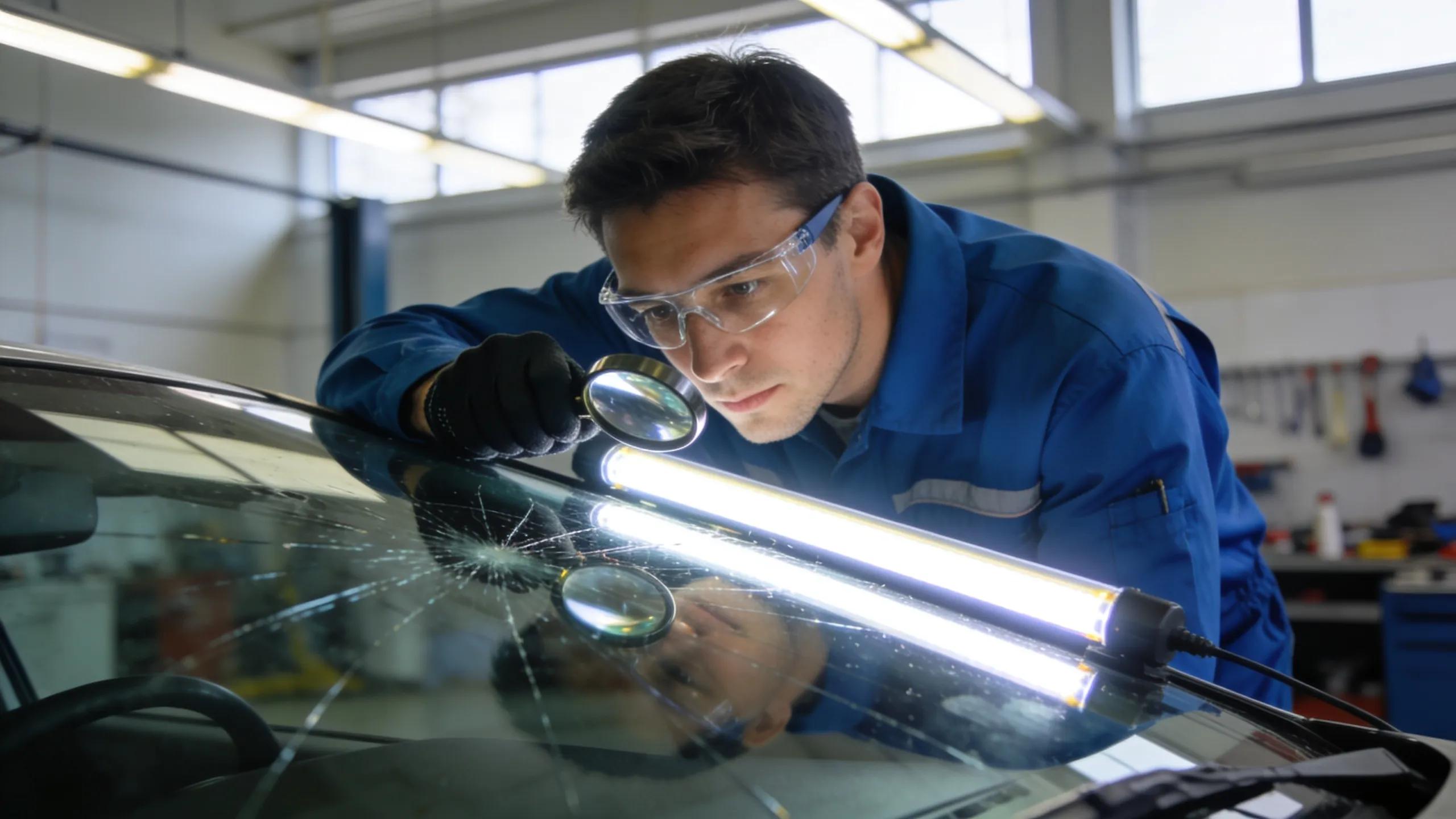
Simple tools improve the accuracy of a self-inspection. Use a direct light source and proper cleaning supplies to reveal and evaluate defects.
- Visual Inspection Tools: Use a flashlight to illuminate cracks and chips that may be difficult to see in natural light.
- Cleaning Supplies: Ensure you have glass cleaner and microfiber cloths to maintain a clear view.
- Repair Kits: Consider having a basic windshield repair kit on hand for minor chips.
These tools support reliable detection and help determine whether professional service is required.
When Should You Seek Professional Auto Glass Inspection Services?
Engage a professional when damage exceeds minor surface defects or when visibility is affected. Examples include deep scratches, multiple chips, or any defect in the driver’s sightline. Professionals provide diagnostic tools and judgement that exceed typical self‑inspection capabilities.
- Deep Scratches: Scratches that penetrate the glass surface can compromise visibility and require expert assessment.
- Multiple Chips: A windshield with several chips may need replacement rather than repair.
- Compromised Visibility: If any damage obstructs your view, it is essential to consult a professional.
A professional inspection delivers a comprehensive assessment and a recommended remediation plan to ensure the windshield is safe for travel.
What Are the Benefits of Professional Auto Glass Inspection Before Traveling?
Professional inspections reduce risk and often save time and expense by identifying hidden or developing issues before a trip.
- Enhanced Safety: Experts can identify issues that may not be visible to the untrained eye, ensuring your windshield is in optimal condition.
- Early Detection of Issues: Regular inspections can catch potential problems before they escalate, saving you time and money.
- Cost Savings: Addressing issues early can prevent costly repairs or replacements down the line.
For reliable service, A Plus Auto Glass provides repair and replacement solutions designed to return vehicles to road‑ready condition.
How Does Professional Inspection Improve Road Trip Vehicle Safety?
Professional inspections leverage trained technicians and specialized equipment to evaluate windshield condition. Technicians recommend targeted repairs or replacement and can validate proper installation. Many services include warranty coverage, which reduces post‑service risk and supports long‑term reliability. Improved visibility and structural integrity directly contribute to safer travel.
What Customer Service and Warranty Options Support Reliable Repairs?
Customer support and warranty terms are key indicators of service quality. Evaluate providers on warranty length, claims support and material standards.
- Warranty on Services: A solid warranty can provide assurance that the repairs will last.
- Direct Work with Insurance: Many reputable services work directly with insurance companies, simplifying the claims process.
- Quality Materials: Ensure that the service provider uses high-quality materials for repairs to guarantee durability.
These elements improve the overall service experience and increase the likelihood of durable, reliable outcomes.
Which Auto Glass Repair and Replacement Options Are Available for Windshield Damage?
Available options range from in‑place repairs to full replacement. Choose based on damage type, size and location.
- Windshield Repair: Suitable for minor chips and cracks, this option is often quicker and more cost-effective.
- Windshield Replacement: Necessary for extensive damage, this option ensures the integrity of the vehicle’s structure.
- Mobile Repair Options: Many services offer mobile repair, allowing technicians to come to your location for convenience.
Understanding these options enables an informed decision that balances safety, cost and convenience.
How Do Chip Repair and Crack Replacement Differ in Cost and Process?
Costs and procedures differ by severity. It’s best to talk to your professionals regarding price. Chip repairs are usually completed within an hour; full replacements require more time to ensure correct installation.
What Are Typical Repair Timeframes and Warranty Coverage?
Repair durations and warranty terms vary by service provider. Minor chip repairs often take 30 minutes to one hour. Full windshield replacements typically require one to two hours. Warranty coverage is provider‑dependent and commonly spans from one year to lifetime coverage for certain services.
How to Incorporate Auto Glass Inspection into Your Comprehensive Road Trip Vehicle Maintenance?
Make auto glass inspection a routine component of vehicle maintenance. Schedule reviews and include windshield checks in seasonal service plans.
- Schedule Regular Inspections: Make auto glass inspections a part of your routine vehicle maintenance schedule.
- Seasonal Care Checklist: Include windshield checks in your seasonal vehicle maintenance checklist.
- Address Minor Damage Promptly: Don’t wait to repair small chips or cracks, as they can worsen over time.
Integrating these measures maintains safety and reduces the probability of unplanned repairs during travel.
What Additional Vehicle Safety Checks Complement Glass Inspection?
Combine windshield checks with other safety inspections to achieve a comprehensive assessment of vehicle readiness.
- ADAS Calibration: Ensuring that advanced driver-assistance systems are functioning correctly.
- Windshield Integrity: Regular checks for any signs of wear or damage.
- Headlight Condition: Ensuring headlights are functioning properly for safe night driving.
These complementary checks help ensure systems that depend on windshield condition and alignment operate correctly.
How Does Regular Auto Glass Maintenance Prevent Future Road Trip Issues?
Consistent maintenance preserves visibility and reduces the risk of in‑route failures. Early detection of defects enables timely repair, which lowers long‑term costs and supports vehicle longevity. A proactive approach enhances safety and reduces the chance of disruption during travel.
Frequently Asked Questions
What should I do if I notice a chip or crack in my windshield while on the road?
If you observe a chip or crack while driving, evaluate its size and location as soon as safely possible. Small, non‑obstructive chips may allow you to continue to a repair facility. If the damage is large, rapidly spreading or within your line of sight, stop driving and arrange professional inspection or mobile service. Prioritise visibility and structural safety.
How can I prevent windshield damage during a road trip?
Minimise risk by maintaining a safe following distance, particularly behind heavy vehicles that can eject debris. Avoid rough, unpaved roads when possible. Keep wiper blades in good condition to remove debris and water effectively. Inspect the windshield before and during extended trips and address any emerging damage promptly.
Are there specific weather conditions that can worsen windshield damage?
Certain weather conditions can exacerbate existing defects. Rapid temperature changes can cause cracks to expand. Heavy rain or snow may reveal or worsen seal leaks. Icy conditions increase the likelihood of debris strikes. Monitor the windshield in adverse weather and seek repairs when necessary.
What are the legal requirements regarding windshield damage in my area?
Legal standards for windshield condition vary by jurisdiction. Many areas prohibit driving with damage that obstructs the driver’s view and impose fines for non‑compliance. Some jurisdictions define allowable sizes and locations for chips or cracks. Consult local regulations and address significant damage promptly to remain compliant and safe.
How often should I have my windshield inspected?
Have the windshield inspected at least annually, and always before long trips. Increase inspection frequency if you drive on congested or rough roads regularly. Inspections after events such as hail or stone strikes are also advisable to detect and address damage early.
Can I use DIY methods to repair windshield damage?
DIY repair kits can be effective for very small, superficial chips but have limitations. They may not provide a permanent solution for larger or structurally significant defects. When in doubt about severity or location, seek professional assessment to determine the appropriate remedy and ensure safety.
What should I look for when choosing an auto glass repair service?
Select a provider that offers clear warranty terms, uses quality materials and employs certified technicians. Review customer feedback and confirm whether the provider handles insurance claims directly. These factors indicate service reliability and can simplify the repair process.
In Conclusion, maintaining a serviceable windshield is essential for a safe road trip. Regular inspection, timely repairs and professional evaluation when needed preserve visibility and structural integrity. Proactive maintenance reduces cost and risk while improving confidence on the road. Arrange an inspection before travel to ensure a reliable and safe journey.