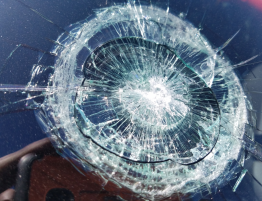

Are you certain your rain sensor windshield replacement is restoring your car’s full functionality—or are you overlooking crucial calibration and compatibility steps? Today’s vehicles rely on a seamless interplay between modern technology and high-quality auto glass, especially when it comes to advanced features like rain sensors
Rain Sensor Windshield Replacement Calibration & Compatibility
Proper calibration is now mandatory for your windshield wipers to function accurately, and sensor compatibility is critical for maintaining your car’s advanced safety features
Failing to address these key elements can mean that your windshield rain sensors won’t perform optimally, and you might miss out on the full benefits of rain sensing and adaptive wiper systems. Whether you’re questioning the need for sensor gel, adhesive pad selection, or the intricacies of calibration, getting informed now can help you save time, money, and ensure your driving experience remains safe and comfortable.
“Ensuring proper calibration after a rain sensor windshield replacement is essential for optimal wiper performance and driver safety.” – Automotive Technician
What You’ll Learn About Rain Sensor Windshield Replacement
-
How rain sensor windshield replacement works
-
Why calibration matters for rain sensor windshields
-
The importance of compatibility between rain sensors and your car windshield
-
Key features to look for in replacement products
-
Rain sensor gel, sensor gel, and adhesive pad essentials
Understanding Rain Sensor Windshield Replacement and Calibration
How Does a Rain Sensor Work on a Car Windshield?
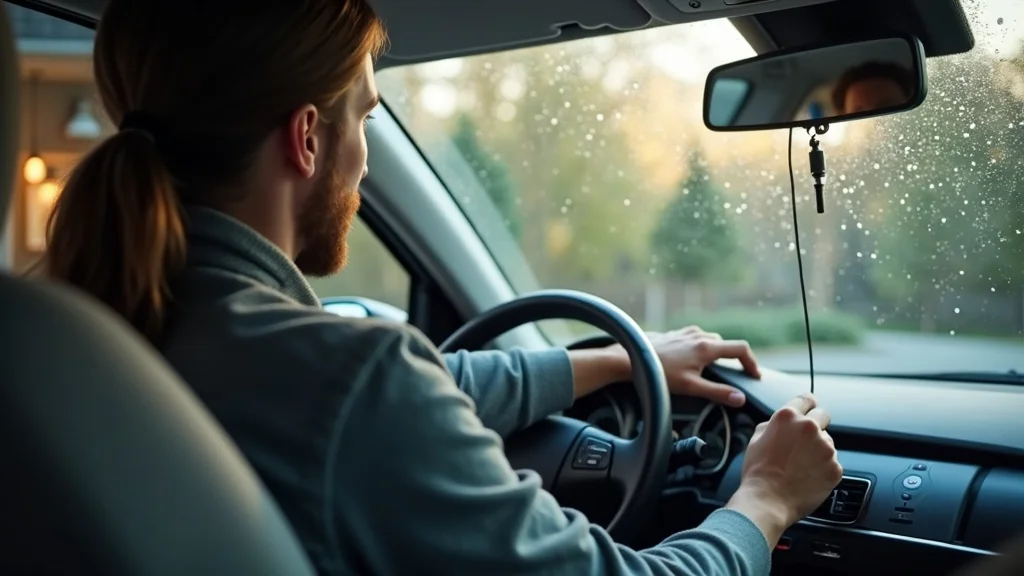
A rain sensor is a key element of modern car windshields, designed to detect rainfall and automatically adjust your windshield wipers for optimal visibility. Typically located behind the rearview mirror, the sensor detects the light reflected back from the glass surface. When raindrops land on the windshield’s external surface, they diffuse the reflected light, allowing the system to sense moisture and activate the wipers. High-end rain sensors may be paired with light sensors, further enhancing their ability to distinguish between rain, condensation, and other environmental changes.
Rain sensor technology isn’t just about convenience; it significantly boosts safety by ensuring a driver’s view remains unobstructed without manual adjustment. Whether you’re facing a light drizzle or a sudden downpour, the sensor triggers the windshield wiper system at the right intervals, improving your sight lines and reaction times. The effectiveness of this system depends not just on the sensor itself, but also on precise installation using compatible sensor gels and pads, careful attachment behind the rearview mirror, and seamless integration with your vehicle’s on-board electronics. Every step counts—from selecting the right windshield with the necessary mounting zones to ensuring the wiring is not damaged during the replacement process.
Rain Sensor Windshield Replacement and Calibration: Step-by-Step Process
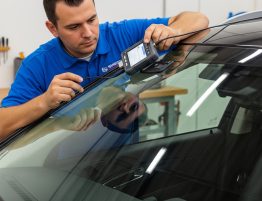
A professional rain sensor windshield replacement involves more than just swapping out glass. After removing the old windshield and cleaning the framework, technicians inspect the rain sensor and ensure no chip or crack affects sensor function. Next, a compatible replacement windshield is selected, one that properly accommodates the rain sensor’s mounting area. Using specialized sensor gel or adhesive pad, the sensor is transferred—or replaced, if necessary—to the new pane.
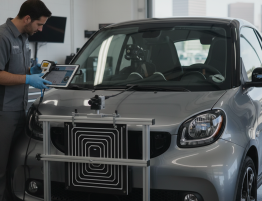
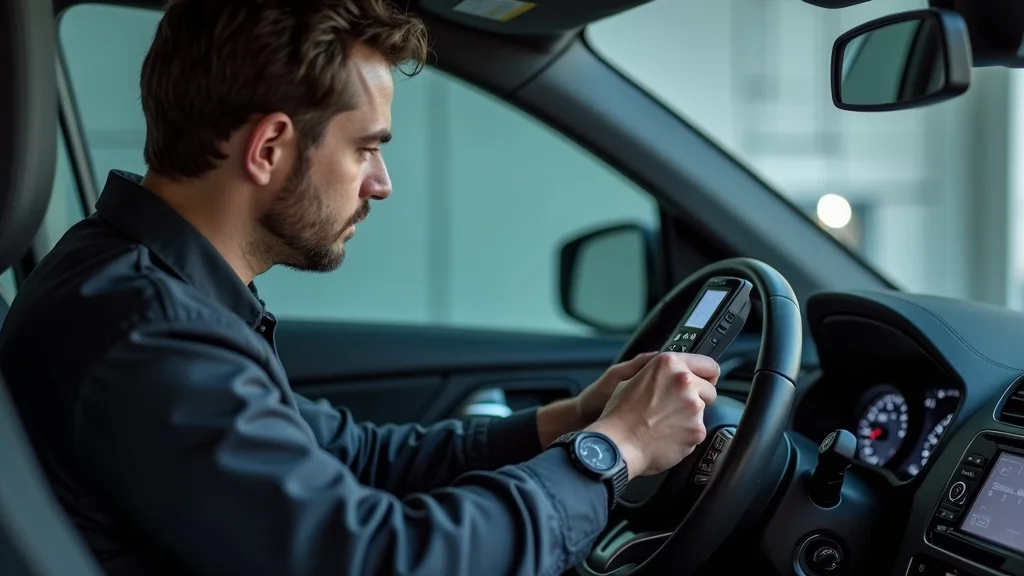
Critical to the process is calibration, either manual or computer-assisted, to ensure the sensor’s readings match real-world conditions. Most auto glass specialists use advanced diagnostics to fine-tune the sensor so it triggers wipers accurately at the first sight of rain. Calibration software checks the electronics and confirms the sensor works as intended. Only after these steps—removal, inspection, correct installation, and calibration—can you be sure the rain-sensing windshield is providing both convenience and security. Skipping any of these can result in faulty wiper activation, reduced visibility, or costly visits to the shop for another realignment.
| Comparison of Standard vs. Rain Sensor Windshield Replacement Steps | ||
| Steps | Standard Windshield Replacement | Rain Sensor Windshield Replacement |
|---|---|---|
| Glass Removal | Remove old windshield | Remove old windshield, protect rain sensor/electronics |
| Frame Preparation | Clean and prep frame | Clean and prep frame, inspect sensor mounting |
| Sensor Transfer | Not applicable | Transfer or install rain sensor (with gel/adhesive pad) |
| Windshield Installation | Fit and bond new glass | Fit and bond compatible sensor windshield |
| Calibration | Not required | Software/manual calibration of rain sensor |
| Final Testing | Visual check for seal and fit | Visual check, electronic test for sensor/wipers |
Rain Sensor Windshield Replacement Compatibility: What Vehicle Owners Need to Know
Ensuring rain sensor windshield replacement compatibility is essential for a seamless and effective installation. Not every replacement windshield is built with a dedicated mounting area or the correct transparency zone for your car’s specific rain sensor model. If you select an incompatible windshield, your rain sensors may not function properly, leading to unreliable or non-functional automatic wipers. Compatibility also extends to the sensor gel and adhesive pad chosen, as these affect how well the sensor’s optics communicate through the glass.
Before committing to any auto glass service, verify with the provider (or manufacturer) that the replacement windshield matches your vehicle’s rain sensor requirements. Look for OEM (Original Equipment Manufacturer) glass for direct replacements, as these meet or exceed automaker standards for clarity, thickness, and mounting surfaces. Aftermarket options might be tempting for their price point, but not all offer rain-sensor capable designs, so check for clear labeling or expert recommendations. The decision you make at this stage will determine whether you’re able to enjoy worry-free auto wiper operation in all weather conditions—or face frustrating calibration issues post-installation.
Sensor Gel and Adhesive Pad: Choosing and Installing for Optimal Rain Sensor Performance
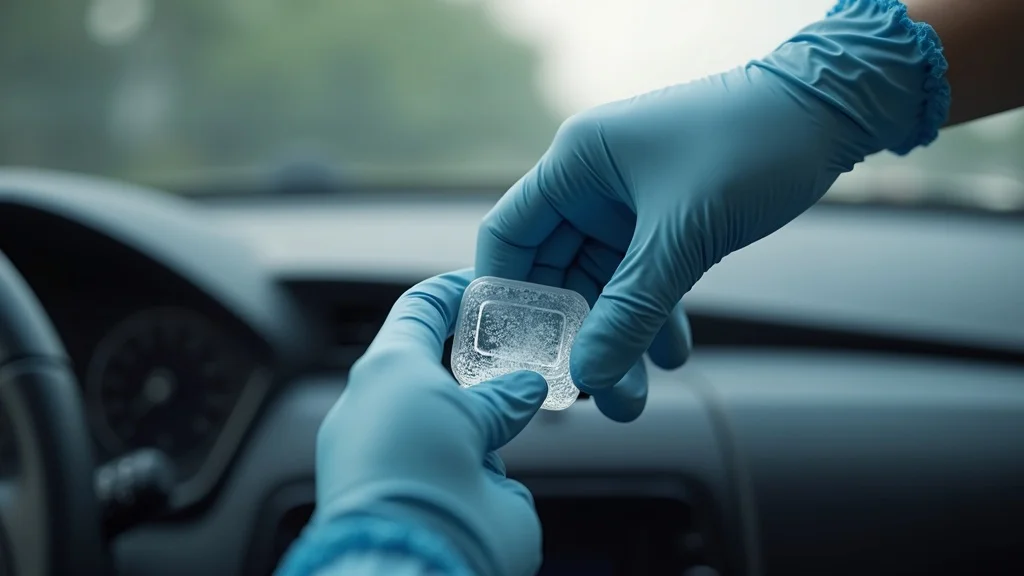
The performance of a rain sensor is only as good as the installation. Sensor gel (sometimes called rain sensor gel) and adhesive pads are pivotal for creating a snug, air-free bond between the sensor and windshield. The right sensor gel must be optically clear and tailored to your vehicle’s sensor type, allowing the sensor’s infrared beam to pass undisturbed. An adhesive pad secures the sensor, minimizing movement and ensuring lasting connectivity under varying temperatures and humidities.
To install, start by thoroughly cleaning the sensor mounting zone on the new windshield—any residue or dust can disrupt optical transmission. Apply the gel pad or adhesive pad with steady, even pressure, following manufacturer directions closely. For some vehicles, the use of dedicated sensor gels is mandatory for ideal sensor-windshield alignment and accurate detection of even the lightest rainfall. Using low-grade or incorrect pads and gels risks poor contact, leading to wiper malfunctions or repeated calibration. Always opt for premium, automotive-grade materials—the minor extra expense is justified by the reliability and longevity they provide.
Rain Sensor Windshield Replacement: Key Features, Benefits, and Reviews
-
OEM vs. aftermarket rain sensor windshield replacements: OEM windshields offer factory-perfect compatibility with rain sensors, typically requiring less adjustment. Aftermarket windshields can be high quality but scrutinize specifications for sensor compatibility and mounting features.
-
Selecting suitable rain sensor gel and adhesive pad: The best sensor gels are crystal clear, non-reactive, and made for automotive use. Adhesive pads should match the sensor’s form and the windshield contour, ensuring no bubbles or air gaps.
-
Review of top-rated rain sensor windshields: Consumer reviews and star ratings often highlight clarity, ease of calibration, fit around the rain sensor area, and long-term wiper performance. Top products generally come from OEM suppliers or trusted auto glass brands like Safelite, Pilkington, or AGC, often outperforming generic alternatives in side-by-side testing.
People Also Ask: Essential Rain Sensor Windshield Replacement Questions
Do you have to replace the rain sensor when replacing a windshield?
In most cases, you do not need to replace the rain sensor itself; it can often be transferred to the new windshield. However, calibration is mandatory to ensure accurate wiper operation. Some advanced systems may require a new sensor or compatible components depending on the make and model of your vehicle.
How do rain-sensing wipers work?
It’s actually pretty simple, what an amazing piece of technology here! Find our more regarding how it works at Consumer Reports!
Do rain-sensing wipers require a special windshield?
Yes, rain-sensing wipers require a compatible windshield with specific mounting and transparency zones for the rain sensor. Not all aftermarket windshields support rain sensors, so verify compatibility before replacement.
FAQs: Rain Sensor Windshield Replacement Best Practices
-
How often should a rain sensor windshield be recalibrated? – Recalibration is typically performed only after windshield replacement or when system errors appear. Regular recalibration is not needed unless your car’s manual specifies otherwise.
-
What signs indicate rain sensor calibration issues post-replacement? – Erratic wiper movement, failure to respond to rainfall, or constant activation in dry conditions all point to calibration problems. Seek immediate inspection if you notice any of these signs.
-
Is rain sensor gel reusable after windshield replacement? – No, rain sensor gel and adhesive pads are single-use. Always replace them with new, high-quality products during sensor transfer for optimal function.
-
What steps ensure adhesive pad integrity during installation? – Ensure the windshield is clean, pads are not touched by bare hands, and pressure is applied evenly to avoid air bubbles or partial contact, which can disrupt rain sensing.
Key Takeaways for Your Rain Sensor Windshield Replacement
-
Always verify rain sensor compatibility with replacement windshields.
-
Proper calibration ensures accurate wiper performance and safety.
-
Choose high-quality sensor gel and adhesive pad for longevity.
-
Consult professional installers for advanced rain sensor technologies.

Ready to Enhance Your Visibility? Choose A+ Auto Glass for Lasting Performance.
Don’t let poor visibility compromise your driving safety. Trust your next rain sensor windshield replacement to experienced professionals—ensuring precise calibration, sensor compatibility, and flawless automatic wiper action for every mile ahead. Contact us now!