Did you know? Over 30% of all motor vehicle fatalities are linked to improper or substandard auto glass installations, driving the need for robust auto glass safety standard
Revealing the Importance of Auto Glass Safety Standards
Auto glass safety standards are not merely technical guidelines—they are critical for ensuring the integrity, durability, and safety of every journey you take. Poorly installed or inferior auto glass can trigger severe risks, from compromised structural support during a collision to reduced visibility and improper airbag operation. The consequences of neglecting federal motor vehicle safety standards are real: with thousands of injuries and fatalities each year attributed to faulty glass installations.
Modern vehicle safety standards are comprehensive, encompassing strict evaluation of glazing materials—like windshields and side windows—used in motor vehicles. The Department of Transportation (DOT) and the National Highway Traffic Safety Administration (NHTSA) mandate specific glass safety certifications to minimize accident risks. These certifications ensure that the auto glass replacement and installation process upholds both occupant protection and overall vehicle safety. By understanding and demanding these standards, vehicle owners play an active role in promoting safer roads.
“Over 30% of all motor vehicle fatalities are linked to improper or substandard auto glass installations, driving the need for robust auto glass safety standards.”

How Auto Glass Safety Standards Impact Every Motor Vehicle
Every motor vehicle on the road is subject to stringent safety standards that govern the performance of its glass components. When auto glass meets established safety benchmarks, it acts as a key line of defense—providing up to 60% of the roof-crush protection in rollovers and allowing airbags to deploy correctly. However, even a small deviation from certified glass safety protocols can turn a simple fender-bender into a tragic accident.
Rigorous auto glass safety standards like those set by DOT and ISO dictate the materials, thickness, impact resistance, and even the labeling of glazing materials in vehicles. This means that whether you’re driving a compact sedan or a commercial truck, the glass enclosing you has undergone a thorough process of validation and certification. These requirements also extend to auto glass replacement and repair, safeguarding drivers and passengers long after the vehicle leaves the factory.
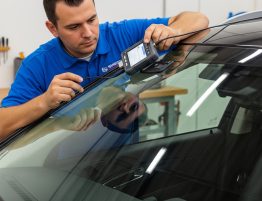
For a closer look at how certified technicians approach the replacement process and ensure compliance with these rigorous standards, you can explore detailed examples and best practices in professional auto glass repair and replacement procedures. This resource highlights the step-by-step methods that help maintain safety and quality from start to finish.
Understanding Federal Motor Vehicle Safety Standards for Glass Safety
The backbone of auto glass safety in the U.S. is the Federal Motor Vehicle Safety Standards (FMVSS). These standards set by NHTSA cover everything from the chemical composition of glazing materials to the protocols for proper installation. FMVSS Standard No. 205, for example, specifies both performance and marking requirements for all automotive glass in motor vehicles.
Compliance with FMVSS is not optional—it is a federal requirement, and every reputable glass repair shop must ensure that each auto glass replacement adheres to these national standards. These rules not only dictate the safety of new vehicles but also govern after-market replacements, making sure that ongoing maintenance and glass safety are maintained throughout a vehicle’s lifetime.
What You’ll Learn About Auto Glass Safety Standards
- Key DOT regulations that define auto glass safety standards
- The meaning and scope of motor vehicle safety standard certifications
- How to identify certified glazing material and compliant glazing materials
- The role of industry ISO standards in vehicle safety and auto glass replacement
Introduction to Auto Glass Safety Standards in Motor Vehicles
Understanding auto glass safety standards begins by recognizing the pivotal role of glazing materials in protecting passengers and contributing to overall motor vehicle safety. Durable windshields and windows are not just barriers against wind and debris; they are essential components of the vehicle’s structural framework. If the glass isn’t up to standard, the entire safety envelope of the car is compromised, regardless of how advanced the other safety systems are.
The regulatory oversight and historical evolution of glass safety reflect the lessons learned from past incidents where inadequate glass led to severe or even fatal injuries. Today, advances in glazing material science and industry-driven standards allow automakers and auto glass replacement shops to offer products that meet the strict requirements of the DOT, FMVSS, and ISO. It’s crucial for every vehicle owner to be aware of these standards, whether purchasing a new car or seeking glass repair.
Defining Safety Standards and Their Role in Vehicle Safety
Safety standards for auto glass encompass a broad array of requirements, ranging from material specifications to installation techniques. These standards are established by government agencies such as the DOT, as well as organizations like the American National Standards Institute (ANSI) and the International Organization for Standardization (ISO). The goal is to guarantee that glazing materials can withstand impacts, prevent shattering in dangerous ways, and support critical systems like airbags.
At their core, vehicle safety standards ensure consistency in auto glass replacement and manufacturing so that motor vehicles provide the highest level of occupant protection. Adherence to these standards helps reduce injuries, keeps insurance rates manageable, and is a legal requirement. Every vehicle owner should confirm that their chosen glass repair and replacement service complies with legitimate federal motor vehicle safety certifications.

Historical Development of Federal Motor Vehicle Safety and Glass Safety Regulations
The evolution of federal motor vehicle safety standards began in earnest during the mid-20th century, when a rise in automotive accidents highlighted the need for more robust vehicle safety features. Early vehicles used ordinary window glass, which would shatter dangerously in crashes. The invention of laminated glass for windshields in the 1920s was a watershed moment, significantly improving glass safety.
Over the decades, regulatory bodies like the DOT and NHTSA standardized performance evaluations for glazing materials, introducing rigorous testing for impact resistance, visibility, and durability. The result: today’s auto glass safety standards are an amalgam of historical lessons and modern technological advances, designed to save lives and reduce injuries on American roads.
DOT Regulations: The Backbone of Auto Glass Safety
At the heart of American auto glass safety standards lie the DOT regulations—rules that cover every aspect of glass repair, manufacturing, and installation. The DOT’s responsibility is to ensure that all glazing materials used in motor vehicles conform to strict safety requirements set out in FMVSS. These regulations are not just guidelines; they are enforceable legal obligations for auto glass replacement shops and manufacturing plants across the country.
DOT certification involves rigorous product testing. Only glazing materials that meet or exceed impact, penetration, and optical clarity specifications receive the sought-after DOT marking. This mark must be visible on every legitimate piece of auto glass—giving vehicle owners confidence that their car’s windows and windshield will perform as intended in both daily use and emergencies.
How DOT Regulates Auto Glass Safety Standards
The Department of Transportation (DOT) implements federal motor vehicle safety standards through FMVSS No. 205, which specifically targets glazing materials. This standard mandates test procedures for light transmission, impact, and abrasion resistance. Glass must consistently pass drop-ball tests, chemical exposure analysis, and visual inspections for imperfections before being certified as compliant.
DOT oversight extends to both OEM and auto glass replacement materials. When performing glass repair or replacement, technicians are required to use glass that is not only physically compatible with the motor vehicle but also carries clear DOT and manufacturer identification codes. This ensures traceability and accountability for the glass used in every installation or repair.
Federal Motor Vehicle Safety Standards: What They Mean for Glazing Material
The FMVSS places a heavy emphasis on the properties and labeling of glazing material used in motor vehicles. The standard covers performance benchmarks to test the glass’s ability to stay intact during rollover, withstand temperature extremes, and prevent dangerous sharding. Glass marked as compliant with FMVSS is not just a regulatory formality—it is a cornerstone of vehicle safety standard compliance.
The clear identification of compliant glazing materials—look for DOT numbers and other manufacturer marks—means vehicle owners can confirm the safety pedigree of their windshields and side windows. Non-compliant glass not only poses grave risks in an accident but can also lead to legal and insurance complications down the line.
Key Requirements for Glazing Materials in Motor Vehicle Safety
Key elements of auto glass safety standards include the use of laminated glass for windshields, specific thickness and curvature requirements, and the application of both internal and external impact tests. Markings required by DOT regulations must be permanently applied and legible, allowing for easy inspection during auto glass replacement or vehicle servicing.
For side and rear windows, tempered glass that shatters into small, blunt cubes is often used to minimize injury. Laminated glass adds even more protection by keeping the glass layers bonded, even after severe impact. Meeting these stringent motor vehicle safety requirements is the only way for automotive glass to receive FMVSS and DOT certification.
| Requirement | DOT/FMVSS Standard | Applies To | Purpose |
|---|---|---|---|
| Laminated windshields | FMVSS 205 | Front windshield | Prevents shattering & ejection, supports airbag deployment |
| Tempered glass | FMVSS 205 | Side & rear windows | Shatters into small pieces to reduce injury risk |
| DOT marking | FMVSS 205 | All automotive glass | Verifies compliance and traceability |
| Impact & penetration tests | FMVSS 205 | All installed glass | Ensures durability and occupant protection |
Multiple Layers of Quality Certifications for Auto Glass
Beyond regulatory mandates, many auto glass safety standards rely on voluntary quality certifications, adding extra layers of protection for vehicle owners. These certifications from organizations like ISO and ANSI reflect ongoing industry efforts to innovate and self-regulate beyond the minimum requirements. Trusted auto glass replacement providers always feature these independent certifications, offering transparent assurance of their commitment to vehicle safety.
Most top-tier glass safety certifications involve not only glass strength and clarity, but also production traceability, eco-friendly manufacturing, and robust record-keeping. The presence of both DOT and ISO markings means your glass has passed composite sets of tests, from international impact standards to U.S.-based crash safety trials.
Understanding Quality Certifications in Glass Safety
Certifications such as ISO 3917 and the Auto Glass Safety Council’s AGRSS indicate glass that is tested and validated for performance under the most demanding conditions. ISO certification, for example, means that glazing materials have undergone international evaluation for consistency, light transmission, and resistance to shattering.
Industry certifications require regular audits, surprise inspections, and traceability back to the original production batch. This thorough approach distinguishes certified auto glass and glazing materials from cheaper, uncertified alternatives that compromise occupant safety.

Best Practices: Recognizing Certified Auto Glass and Glazing Materials
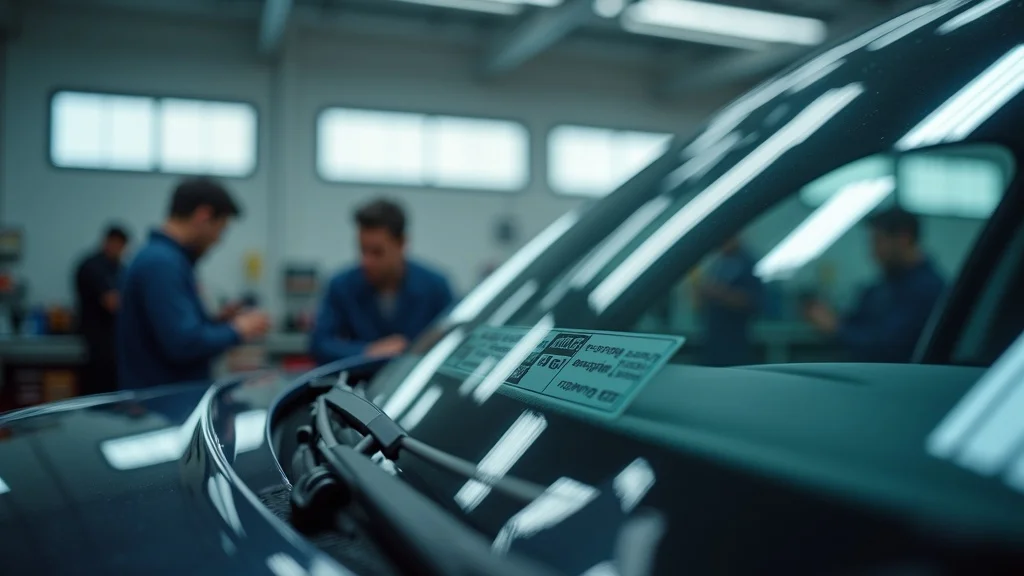
Recognizing certified auto glass involves more than checking for clear surfaces. Start by looking for permanent DOT and ISO markings, often found in a corner of the glass. These indicate compliance with both U.S. and international vehicle safety standards. Legibility and placement of these marks are themselves regulated, ensuring easy verification for consumers and technicians alike.
When choosing a glass replacement or repair service, ask for documentation supporting the product’s ANSI, ISO, or local certification. Requesting this paperwork—and ensuring your auto glass replacement partner uses only certified materials—delivers the peace of mind that comes from knowing your motor vehicle safety is in good hands.
The Lifecycle of Auto Glass Replacement and Quality Checks
From initial manufacture to final installation, certified auto glass undergoes a meticulous lifecycle. It begins with batch testing of raw materials and extends through manufacturing audits, packaging inspections, and distribution oversight. Even after a glass replacement, certified technicians conduct safety checks to confirm proper fit, seal, and alignment.
Routine post-installation quality checks, such as leak tests and visibility assessments, ensure continued vehicle safety. Vehicle owners should always receive a warranty or certificate of conformity upon completion of a certified replacement, demonstrating full compliance with auto glass safety standards.
“Modern vehicle safety depends not just on performance, but on strict adherence to auto glass safety standards throughout every installation and repair.” — Industry Expert
ISO Standards & Their Place in Vehicle Safety Standards
The International Organization for Standardization (ISO) sets internationally recognized auto glass safety standards that seamlessly integrate with DOT and FMVSS certifications. These standards facilitate the global trade of vehicles and parts by ensuring that glazing materials perform reliably regardless of where the car is manufactured or where the glass is replaced.
ISO certifications—particularly ISO 3917 for safety glazing in road vehicles—define rigorous criteria for optical clarity, impact performance, and chemical resistance. Vehicle safety standards built on ISO foundations promote widespread adoption of best practices, helping both manufacturers and vehicle owners achieve the highest levels of protection.
The ISO Standard for Automotive Safety Explained
The primary ISO standard for automotive glazing, ISO 3917:2016, governs the production, labeling, and performance of auto glass worldwide. Compliance signifies that a particular glass product has successfully passed universal benchmarks for safety, including resistance to impact, aging, and shattering.
Manufacturers that display ISO certification assure consumers that their glazing materials are reliable, compatible with advanced driver assistance systems (ADAS), and meet both international and motor vehicle safety requirements. This guarantees that even after a glass replacement, the vehicle retains its protective features.
ISO vs. DOT: Coordinating International and US Safety Standards
While U.S. standards such as those enforced by DOT and FMVSS focus on national compliance and regulations, ISO standards facilitate harmonization across borders. Vehicles produced by multinational automakers—and glass supplied by global manufacturers—must often meet both sets of criteria. A certified auto glass product may bear both DOT and ISO marks, signaling worldwide acceptance for motor vehicle safety standards.
This cross-certification is especially relevant for imported vehicles and aftermarket parts, assuring vehicle owners that their glass replacement meets both U.S. and international expectations for vehicle safety and performance.
Grading and Types of Auto Glass: Decoding Glazing Materials
Auto glass is not one-size-fits-all; there are distinct grades and types designed to suit diverse safety requirements and vehicle models. Understanding these differences is key when replacing your windshield or side windows—and plays a vital role in meeting auto glass safety standards.
From basic OEM glass to high-performance, advanced-driver-assistance-system (ADAS) compatible options, vehicle owners have choices that affect not only cost but also the safety and reliability of their vehicles. Knowledge of the underlying glazing materials and the respective grades ensures that every decision supports long-term motor vehicle safety.
Are There Different Grades of Auto Windshield Glass?
Yes, auto windshield glass is graded based on its manufacturing origin and level of certification. OEM (Original Equipment Manufacturer) glass matches the quality and specifications of the original parts installed by the vehicle maker and typically carries all regulatory and quality certifications. Aftermarket glass, on the other hand, may vary in terms of thickness, optical quality, and certification status—making it crucial for vehicle owners to still insist on certified, compliant materials for auto glass replacement.
While both grades can offer safe performance if compliant with auto glass safety standards, only certified OEM or reputable aftermarket products carrying both DOT and ISO markings guarantee legal and safe operation of the motor vehicle.
Glazing Material Types: Laminated vs. Tempered for Vehicle Safety
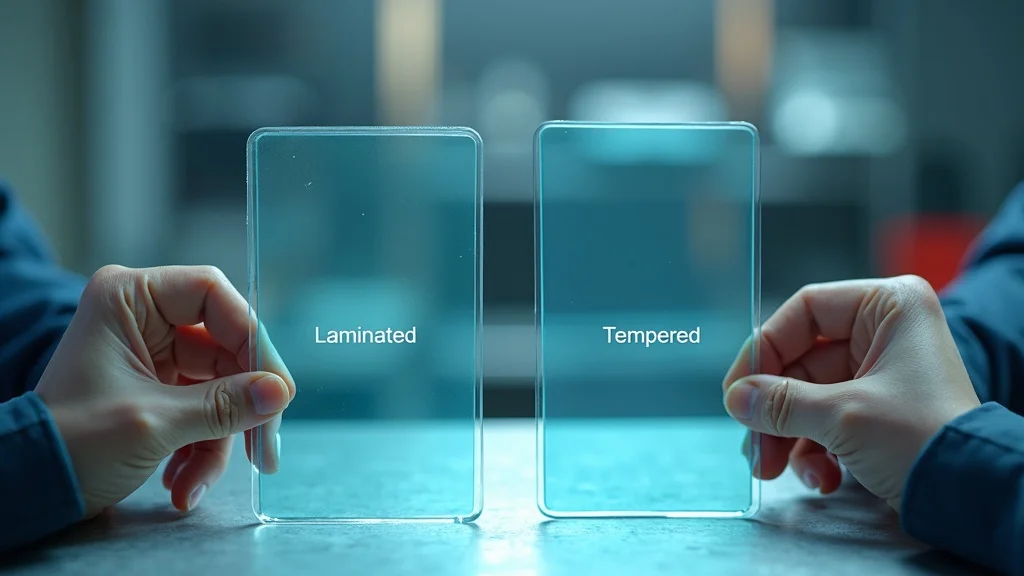
Modern vehicles use two main types of glazing materials: laminated and tempered glass. Laminated glass, typically required for windshields, consists of two layers of glass bonded with a plastic interlayer. This design prevents shattering and helps keep occupants inside the motor vehicle during a crash. Tempered glass, found in most side and rear windows, is heated and rapidly cooled to be stronger than regular glass and shatters into small, blunt pieces when broken—minimizing injury risk.
Each type of glass plays a distinct safety role, as mandated by federal motor vehicle safety standards. Laminated glass is vital for rollover and frontal crash scenarios, while tempered glass offers fast egress during emergencies. Both types should always be DOT and ISO certified to confirm compliance with the latest industry and legal requirements for vehicle safety.
When Is Safety Glass Required by Law?
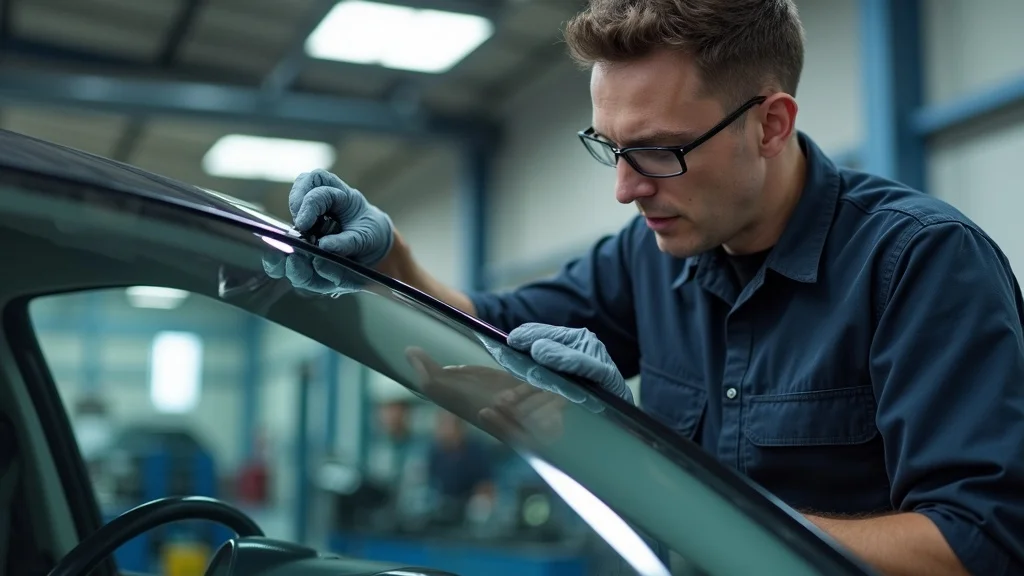
U.S. and international vehicle safety standards mandate the use of safety glass for all windshields and most passenger windows in motor vehicles. Specifically, any glass mounted within 18 inches above the floor or in positions where passengers could be thrown or injured during a crash must meet recognised glass safety requirements—including those for impact resistance, transparency, and marking.
These requirements are non-negotiable for new vehicles and also apply to auto glass replacement, ensuring continuous protection for drivers and passengers. Understanding when and where these legal requirements apply helps vehicle owners make safe, compliant choices for every ride.
| Type | Typical Application | Main Benefits | Certification |
|---|---|---|---|
| OEM Laminated | Windshield | Maximum impact resistance, supports airbags, stays intact after crash | DOT & ISO certified |
| Aftermarket Laminated | Windshield | Meets certification if marked; performance may vary | DOT & ISO certified if compliant |
| OEM Tempered | Side and rear windows | Shatters into safe pieces, fast egress, durable | DOT & ISO certified |
| Aftermarket Tempered | Side and rear windows | Affordable, safe if certified, quality varies | DOT & ISO certified if compliant |
Proper Installation: A Key to Meeting Auto Glass Safety Standards
Even the best glass is useless if installed incorrectly. Adhering to proper installation techniques is the only way to maintain the performance and safety of certified auto glass. National standards—including those from American National Standards Institute (ANSI) and the Auto Glass Safety Council—provide strict guidelines for glass replacement professionals.
A properly installed windshield not only supports the roof in a rollover, but also ensures clarity for driver vision and the proper functioning of modern vehicle sensor systems. Conversely, improper fit, poor sealing, or use of uncertified products can quickly compromise motor vehicle safety and even void your car’s warranty or insurance coverage.
Auto Glass Replacement Procedures and Ensuring Compliance
Certified auto glass replacement procedures include the use of factory-approved adhesives and sealants, precise alignment using custom measuring tools, and comprehensive cleaning before and after installation. Technicians must check for DOT and ISO markings and ensure that all components meet federal motor vehicle safety standards. Post-installation, a waiting period allows adhesives to cure, ensuring the new glass can support airbags and roof-crush loads.
Overall, compliance is not simply about ticking boxes. It involves a verified chain of custody—from the glass manufacturer to the installation shop—with every step inspected and documented. Vehicle owners should always request proof of certification and compliance after a replacement.

Common Pitfalls and Glass Safety Risks in Improper Installation
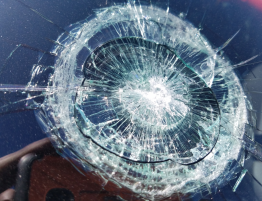
The risks of improper glass replacement are serious. Misaligned windshields can impair vision, improperly sealed windows can lead to leaks and interior damage, and low-quality adhesives may allow windshields to detach in a crash. These failures may cancel the protective impact of your glass and other vehicle safety systems.
Warning signs of improper installation include whistling noises at high speed, visible gaps or uneven seals, moisture infiltration, and the absence of DOT or ISO markings. Unresolved, these issues increase risk during collisions and can lead to expensive repairs or voided insurance policies. Always select reputable, certified professionals for auto glass replacement.
Expert Recommendations for Motor Vehicle Safety Standards
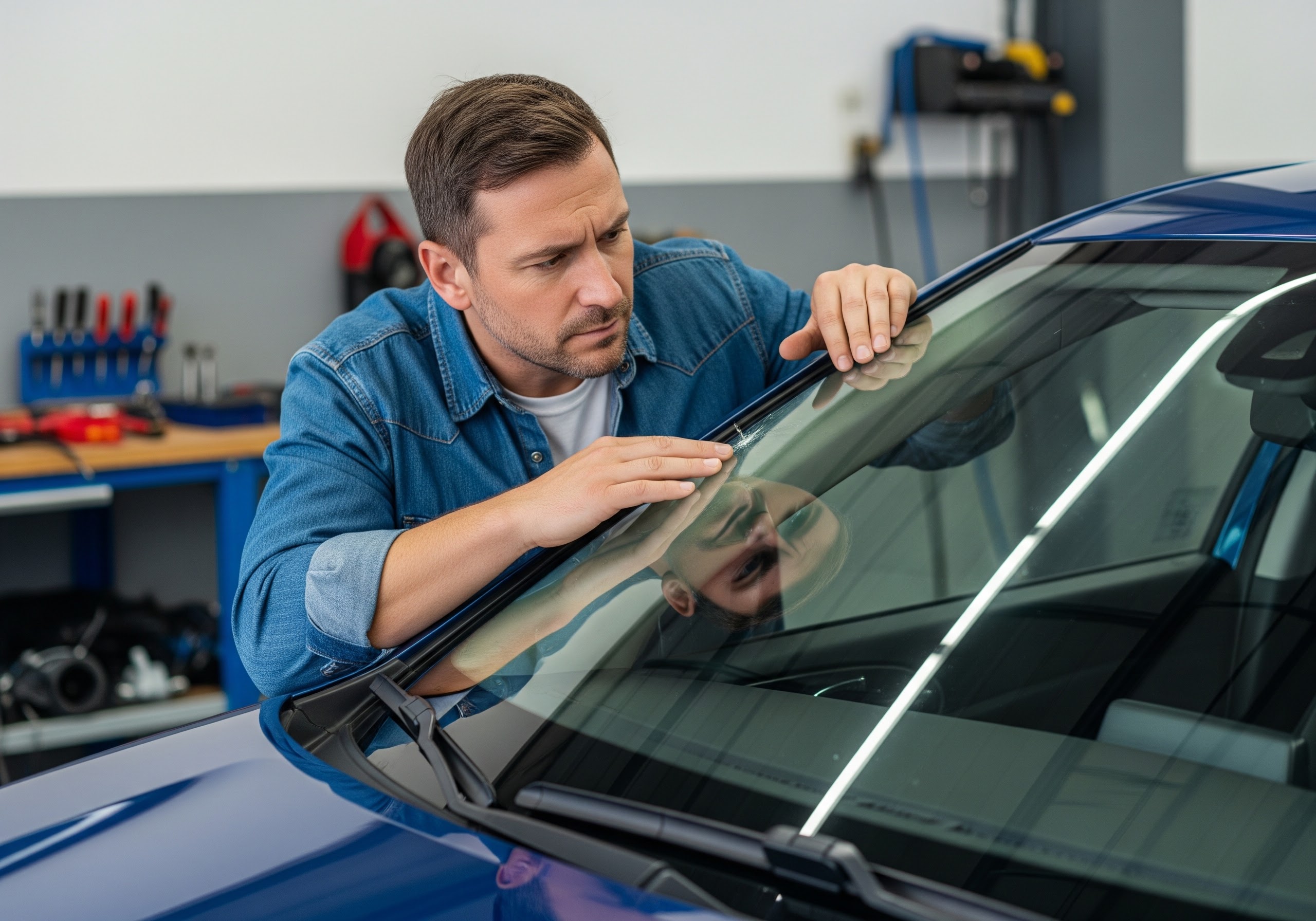
Industry experts agree: always insist on DOT and ISO-certified auto glass and professional installation for every replacement. Regularly inspect your windows for chips, cracks, or seal failure, and address any issues with a certified glass repair or replacement provider. Maintain all documentation related to your auto glass replacement.
Knowledge and vigilance go a long way—knowing what marks and features to look for helps ensure your motor vehicle and its occupants remain protected by proven vehicle safety standards.
People Also Ask About Auto Glass Safety Standards
Which is the safety standard for the aftermarket auto glass replacement industry?
The primary standard for aftermarket auto glass replacement is theANSI/AGSC/AGRSS(Auto Glass Replacement Safety Standard), which sets rigorous criteria for glass replacement to maintain vehicle safety and compliance with federal motor vehicle safety standards.
What is the ISO standard for automotive safety?
ISO 3917:2016is the key international standard for safety glazing materials in road vehicles, addressing the specifications and performance benchmarks for glass safety in alignment with auto glass safety standards worldwide.
At what height do you need safety glass?
Safety glass is generally required in motor vehicles wherever glass is mounted within18 inches above the flooror where the glass serves as a barrier between occupants and the potential for impact, as outlined in vehicle safety standards.
Are there different grades of auto windshield glass?
Yes, auto windshield glass is available in various grades—chieflyOEM (Original Equipment Manufacturer)and aftermarket—with each grade subject to different safety and quality certifications under auto glass safety standards.
FAQs: Answers to Common Questions about Auto Glass Safety Standards
- How can consumers verify if their auto glass meets safety standards?
Consumers should look for DOT and ISO marks on the corner of the glass. Ask for supporting documentation from your installer, and confirm both the glass and the shop are certified. - What certifications should you look for in auto glass replacement?
Insist on at least DOT and ISO 3917 markings, plus additional certifications like ANSI/AGSC/AGRSS for aftermarket replacements. - Does insurance cover glass replacement compliant with motor vehicle safety standards?
Most comprehensive auto insurance policies cover certified glass replacements that meet federal and state vehicle safety standards. Check with your provider for specific requirements.
Key Takeaways on Auto Glass Safety Standards
- Always look for DOT and ISO certifications on replacement glass
- Insist on certified installation and routine glass safety checks
- Understand that vehicle safety is closely tied to proper glazing material selection and installation
- Stay informed on evolving auto glass safety standards for your motor vehicle
Watch:
Explore Your Options: Find Certified Auto Glass Services Near You
Ready to upgrade your vehicle’s safety? Find a certified auto glass replacement service in your area that meets or exceeds DOT, FMVSS, and ISO standards
Prioritizing DOT and ISO-certified auto glass—and insisting on expert installation—is the key to maintaining top-tier vehicle safety standards on every drive.
For a deeper understanding of the federal requirements for glazing materials and occupant protection, you may refer to the Automotive Glass Replacement Safety Standard (AGRSS).